


What the Data Says About Insurance Denials — and How AI Is Finally Fixing It
Every year, U.S. healthcare providers write off billions in revenue not because the care wasn’t delivered, not because the patient wasn’t covered — but because of denials. Administrative, clinical, and technical barriers that, in many cases, were entirely preventable.
I’ve spent years in the trenches of revenue cycle management, and I can tell you: the denial crisis is not getting better on its own. But the data is finally catching up to what we’ve been seeing firsthand — and so is the technology to address it.
Let me walk you through the numbers.
The Scale of the Problem
According to the American Hospital Association, U.S. hospitals and health systems spend approximately $19.7 billion annually just fighting prior authorization and denial-related administrative burdens. A 2022 MGMA Stat poll found that 35% of medical groups reported denials as their top revenue cycle challenge — up year over year.
The Kaiser Family Foundation’s analysis of ACA marketplace plans found that, on average, insurers denied 17% of in-network claims in 2021. That number alone should stop every CFO and RCM director in their tracks.
But the aggregate number only tells part of the story. The real intelligence is in the payor-by-payor breakdown.
Payor-Level Denial Rates: What the Research Shows
UnitedHealthcare
UnitedHealth Group has faced significant scrutiny in recent years. A 2023 ProPublica and Senate Finance Committee investigation revealed that UnitedHealthcare denied approximately 22.7% of Medicare Advantage claims — among the highest of any major insurer. Their AI-driven prior authorization algorithm, the nH Predict tool, was found by the Senate to have a 90% override rate when physicians appealed, suggesting systematic over-denial.
Cigna
A 2023 ProPublica investigation found that Cigna physicians spent an average of 1.2 seconds reviewing each denial using an automated flagging system. The insurer rejected roughly 300,000 claims over two months using this process. Their overall denial rate for certain plan types hovered around 14–17% depending on care setting.
Aetna (CVS Health)
Aetna’s Medicare Advantage denial rates were cited in a 2022 HHS Office of Inspector General report, which found that 13% of prior authorization denials across major Medicare Advantage insurers would have met coverage criteria under traditional Medicare — suggesting significant inappropriate denials. Aetna was among the plans highlighted.
Humana
The same OIG report flagged Humana’s Medicare Advantage plan as having denial rates for post-acute care (skilled nursing, home health) that were materially higher than fee-for-service Medicare, with some service categories seeing denial rates exceeding 25%.
Medicaid Managed Care
A 2020 report from the Georgetown University Health Policy Institute found that denial rates among Medicaid managed care organizations (MCOs) ranged from 4% to over 30%, depending on state and plan. States with less oversight and fewer reporting requirements showed dramatically higher denial rates.
Denial Type Breakdown: Where the Losses Are Hiding
Understanding denial rates by category is just as critical as understanding them by payor. Based on MGMA, HFMA, and AHA data, the typical denial distribution looks like this:
Prior Authorization Denials — 23–30%
The single largest category. These denials stem from missing, incomplete, or untimely authorization requests. With payors increasingly requiring auth for services that historically didn’t require them (outpatient imaging, behavioral health, specialty drugs), volume has surged.
Medical Necessity Denials — 18–25%
Payors deny claims when documentation doesn’t sufficiently support the level of care billed. Often driven by poor clinical documentation or misaligned payor criteria that differs from standard of care guidelines.
Eligibility and Coverage Denials — 15–20%
Patient insurance information that was incorrect, lapsed, or not verified at time of service. These are almost entirely preventable with proper front-end workflows.
Coding and Billing Errors — 12–18%
Wrong ICD-10 codes, mismatched CPT/diagnosis combinations, unbundling errors, and modifiers applied incorrectly.
Duplicate Claims — 5–8%
Billing the same service twice, often from coordination of care breakdowns or EHR workflow errors.
Timely Filing Denials — 5–10%
Claims submitted after the payor’s filing deadline. Again — nearly 100% preventable.
The HFMA has consistently found that up to 90% of denials are preventable, yet the average hospital only successfully appeals about 45% of denied claims — leaving enormous revenue on the table.
Why Traditional Approaches Aren’t Working
The standard playbook — hire more coders, add denial management staff, create appeal templates — is not scaling. Here’s why:
Payor policies are changing faster than human teams can track.
In 2023 alone, major commercial payors issued hundreds of policy updates affecting prior authorization requirements, covered diagnoses, and documentation thresholds. No human team can absorb and operationalize that volume in real time.
The documentation burden is accelerating.
CMS’s own data shows that physicians spend nearly 2 hours on administrative tasks for every 1 hour of patient care. A significant chunk of that is prior auth and denial-related documentation.
And the cost of rework is compounding.
HFMA estimates the cost to rework a single denied claim at $25–$118, depending on complexity. Manual appeal has varying success rates. I often hear in the 60–65% success rate. Multiply that across thousands of denials per month, and you understand why margins are eroding.
Even perfectly upstream solutions, still result in similar denial problems.
How AI Is Changing the Game: The Case for Authsnap
Authsnap is an AI-powered prior authorization and denial prevention platform we built specifically for the realities I’ve described above. Rather than handling denials manually or with a non-specific tool, we created a payor nuanced machine learning tool that can be used by our nurses or yours.
Here’s what makes it different in practical terms:
Real-Time Payor Policy Intelligence
Authsnap continuously ingests and interprets payor policy updates across commercial, Medicare Advantage, and Medicaid MCO plans. When UnitedHealthcare quietly updates their prior auth requirements for outpatient MRIs, Authsnap knows — and your clinical and billing teams are alerted before a single claim hits the wrong criteria.
AI-Driven Documentation Gap Detection
Before submitting an appeal, Authsnap’s AI analyzes the clinical documentation against payor-specific medical necessity criteria. It flags gaps proactively — “this diagnosis needs supporting HCC coding,” “this patient’s chart doesn’t reflect the failed conservative therapy UHC requires for this procedure” — giving clinicians the chance to address the denial the way the reviewer will want to see the argument.
Payor-Specific Appeal Intelligence
When a denial does occur, Authsnap’s appeal module draws on a trained library of successful appeal arguments mapped to specific payor denial codes, plan types, and clinical contexts. It doesn’t generate generic appeal letters. It generates targeted, evidence-based arguments that reflect what actually works with each specific payor.
Measurable Outcomes
Early data from practices and health systems using Authsnap show meaningful reductions in prior auth denial rates, and we are knee-deep in a white paper, coming soon, to show our results.
What This Means for Revenue Cycle Leaders
If you’re leading revenue cycle operations, coding, or clinical documentation at any scale, the message from the data is clear: the denial problem is structural, not operational. You cannot staff your way out of it. You cannot appeal your way out of it.
The payors have invested heavily in AI to identify and deny claims more efficiently. It is not unethical to say that providers now need the same tools — applied with the same intelligence and precision — to protect the revenue that represents the care they’ve already delivered.
AI platforms like Authsnap are not replacing the revenue cycle team. They are giving that team something they’ve never had before: real-time intelligence, predictive visibility, and the ability to fix problems before they become denials.
The data is clear. The technology is ready. The only question is whether your organization is going to keep absorbing losses — or start preventing them.
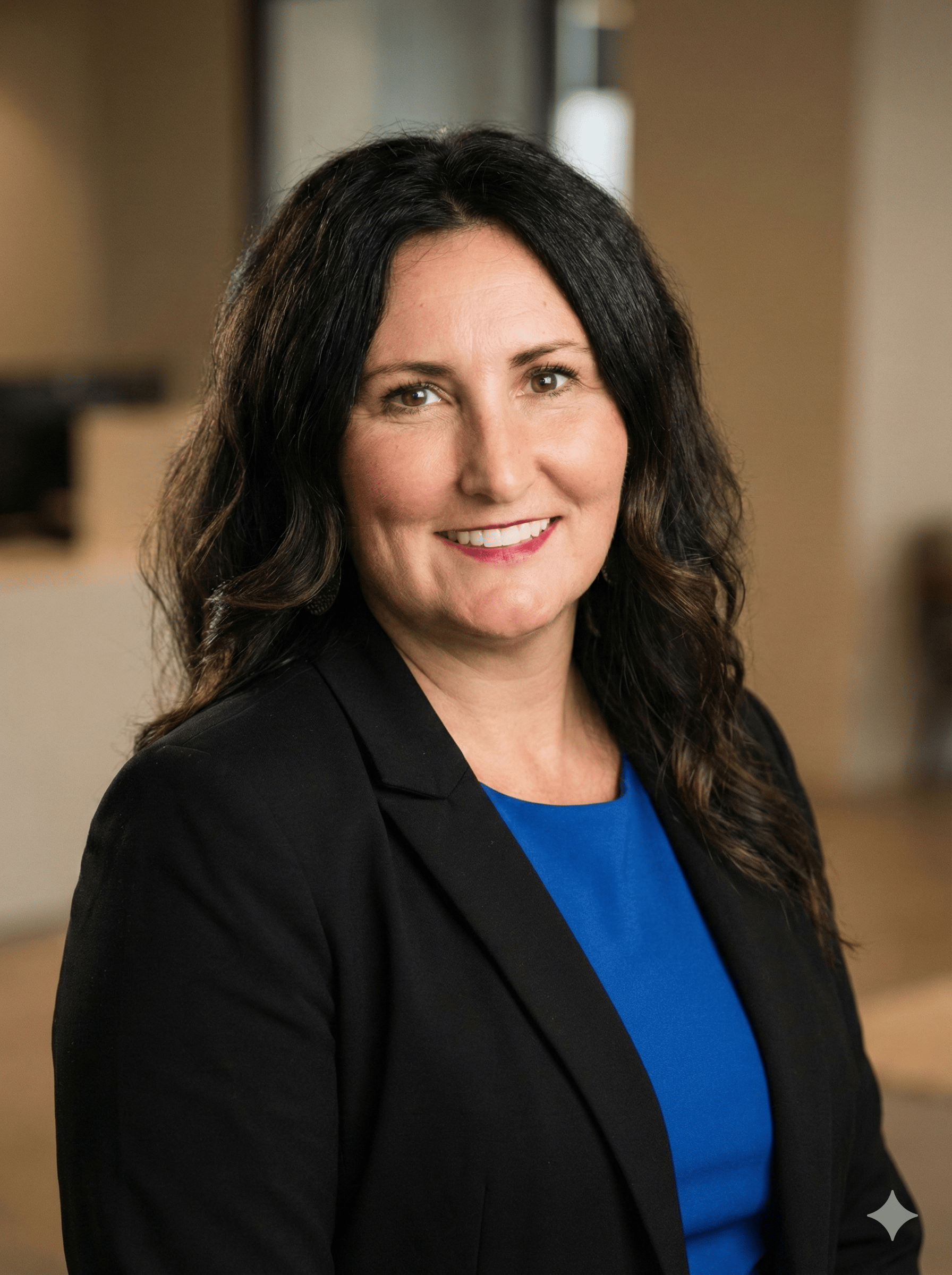
Gretchen Heinen, RN, PHN, BSN
Founder & CEO, Authsnap
I work at the intersection of clinical operations, revenue cycle strategy, and healthcare technology. If you’re seeing high denial rates from specific payors or want to discuss your organization’s denial profile, connect with me on LinkedIn or reach out directly.